At Purpose Built Communities’ 2026 Prosperity Starts With Place™ conference, Dr. Larry Moss, President and CEO of Nemours Children’s Health, challenged attendees to think differently about what shapes a child’s health and future.
Medical care matters. But as Dr. Moss explained, health is also shaped by the conditions surrounding a child every day, including safe housing, quality education, and the resources available to their family and community.
His message to attendees was simple: start with children.
Many of the chronic diseases we associate with adulthood, including cancer and diabetes, have roots that can be traced much earlier in life. Dr. Moss argued that investing in childhood gives us an opportunity to influence those outcomes earlier, when relatively small investments can make a significant difference over the course of a person’s life.
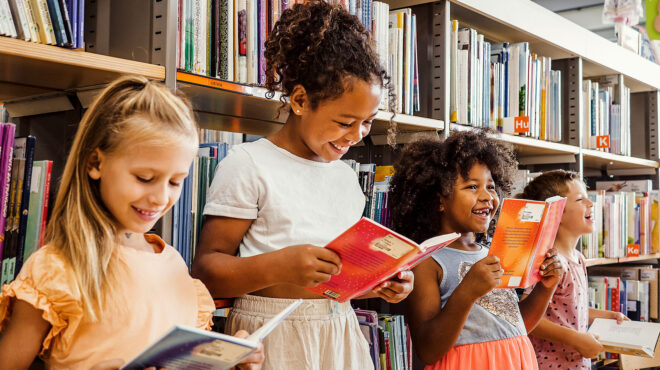
Consider reading.
The relationship between education and a child’s long-term trajectory is well documented. For years, researchers and advocates have examined the “cradle-to-prison pipeline,” including how educational inequities and other accumulated disadvantages can increase a young person’s likelihood of involvement with the criminal justice system.
Dr. Moss offered another lens through which to understand the importance of early education: health.
He pointed to the ability to read by third grade as a powerful predictor of future income and health. And one of the strongest predictors of whether a child will reach that milestone is whether they arrive at kindergarten ready to learn.
But what does it actually mean to be ready for kindergarten?
Kindergarten readiness encompasses much more than early reading or counting skills. It includes a child’s language and literacy, cognitive development, physical development, social-emotional development, and approach to learning. Children who begin school ready to learn are more likely to read on grade level, succeed academically, and graduate from high school.
But today, more than a third of U.S. children enter kindergarten without being academically, physically, socially, and emotionally ready to learn.
Readiness doesn’t begin when a child walks through the kindergarten doors. As Dr. Moss writes, it develops throughout the first five years of a child’s life through nurturing, learning, and interactions with the world around them. Access to high-quality early learning matters. So do developmental supports, stable housing, nutritious food, safe neighborhoods, and environments where children have opportunities to learn, play, and build strong relationships.
Nemours Children’s Health is putting that idea into practice at the neighborhood level. In communities in Wilmington, Delaware, and Orlando, Florida, the health system is working alongside early childhood centers, nonprofits, and other local partners to help more children arrive at kindergarten ready to learn. The goal is not simply to reach children who receive care from Nemours, but to strengthen the conditions surrounding young children throughout those communities.
It’s an approach that resonates with Purpose Built Communities’ own place-based work. Our cradle-to-college education component of our holistic, integrated model recognizes that supporting children means investing early, while ensuring those supports don’t disappear once they reach the next milestone. It requires creating the conditions for children to learn, grow, and thrive throughout their educational journey.
As Dr. Moss puts it, kindergarten readiness is where health and opportunity meet.
More recently, Carol and Dr. Moss continued the conversation on the Purpose Built Communities podcast, digging deeper into kindergarten readiness, third-grade reading, and what communities can do to help children thrive.