While the return to school is an exciting milestone, it also marks the end of a season that can have a lasting impact on a child’s learning.
Educators often refer to the “summer slide”—the learning loss that can occur when students are away from the classroom for an extended period. Research shows that children from lower-income families are especially affected, as they are more likely to lose ground academically during the summer months while their peers with greater access to enrichment opportunities continue building new skills.
The effects of that learning loss often carry into the school year: in a study of teachers across fifteen cities, 90 percent reported spending at least three weeks re-teaching material at the beginning of each school year.
The good news? Summer learning loss isn’t inevitable.
Research has shown that high-quality summer learning opportunities can help children strengthen reading and math skills while also building confidence, curiosity, and social-emotional development. Students who consistently participate in these programs are more likely to return to school ready to learn.
Learning Happens Everywhere
When people think about summer learning, they often picture summer school or structured academic programs. While those opportunities are important, learning doesn’t only happen inside a classroom.
A trip to the library can spark a lifelong love of reading. Parks and recreation programs encourage exploration and teamwork. Museums and cultural organizations introduce children to new ideas and experiences. Summer camps, neighborhood events, and community centers provide spaces where young people can stay curious, build relationships, and continue learning in meaningful ways.
These experiences remind us that education is not confined to the school day. It’s woven into the places where children live, play, and grow.
The Neighborhood Advantage
Not every family has equal access to summer camps or enrichment programs. Cost, transportation, limited availability, and work schedules can all create barriers to children’s participation. That’s why neighborhoods matter.
When learning opportunities are available close to home, they become more accessible to children and families. Libraries, community centers, schools, local organizations, businesses, and volunteers all have a role to play in creating environments where young people can continue learning throughout the summer.
At Purpose Built Communities, we believe strong neighborhoods create the conditions for children to thrive year-round. Hyper-local nonprofits called Community Quarterback Organizations, work alongside residents and partners to connect families with resources, strengthen community assets, and create opportunities that support children both inside and outside the classroom.
Community Partnerships in Action: Canopy South
In South Omaha, Nebraska, Purpose Built Network Member Canopy South is putting that philosophy into practice as families prepare for the start of a new school year.
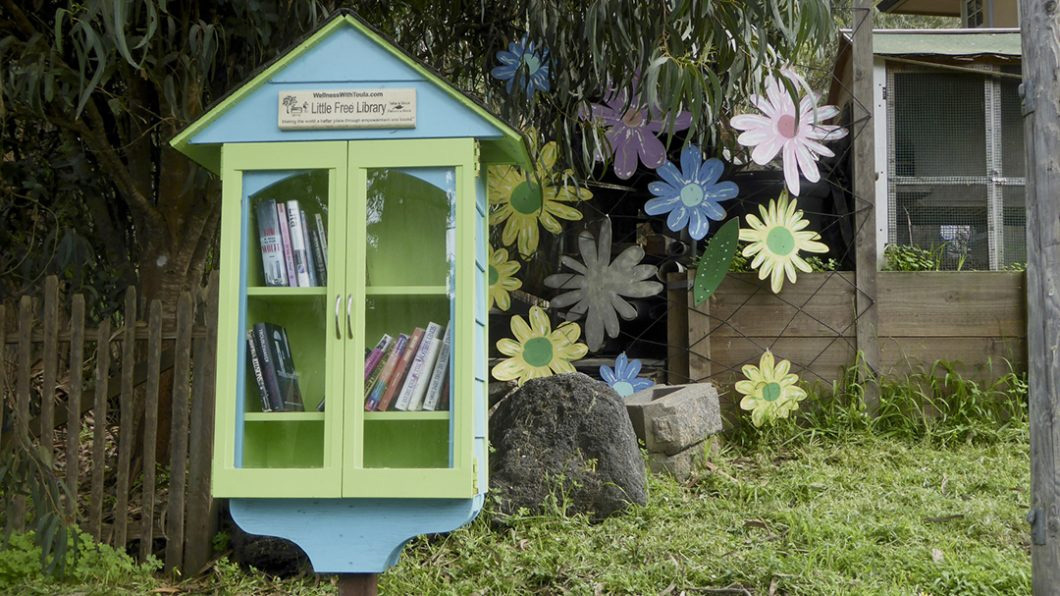
Earlier this month, Canopy South partnered with its neighborhood elementary school to plan and sponsor a back-to-school celebration that welcomes students and families as they return to the classroom. The organization is also launching a lending library inside Cornerstone, the neighborhood’s first mixed-income apartment building, making books more accessible to residents where they live.
As more residents return to the neighborhood, Canopy South is also hosting a welcome-back celebration in partnership with the City, Housing Authority, and other community organizations. The event is designed to reconnect neighbors, strengthen relationships, and foster a sense of belonging as families settle back into the community.
While these initiatives may look different from a traditional summer learning program, they all contribute to the same goal: creating a neighborhood where children have opportunities to learn, explore, and thrive.
How You Can Support Summer and Ongoing Learning
Helping children continue learning doesn’t require a classroom. Small actions can make a meaningful difference.
- Visit your local library and encourage children to discover new books.
- Volunteer with a youth or summer enrichment program.
- Organize a neighborhood book swap or reading group.
- Support local organizations that provide learning opportunities for children.
- Attend community events that bring families together and strengthen neighborhood connections.
Every investment in children—whether it’s sharing a book, attending a community event, or supporting a local organization—helps create the kind of environment where young people can succeed.
Looking Ahead
Learning doesn’t begin and end with the school calendar. When neighborhoods invest in children year-round, they create opportunities that extend far beyond the classroom. By working together, we can help ensure every child has the support they need to learn, grow, and thrive in every season.