For those of us working to strengthen neighborhoods, Indigenous Peoples’ Day also presents an opportunity to reflect, listen, and learn.
There is no single Indigenous perspective on leadership, community, or place. Indigenous nations and communities have distinct histories, cultures, traditions, and ways of understanding their relationships with the places they call home. That leads us to a question worth considering: What can neighborhood leaders learn from Indigenous leaders and communities whose approaches to leadership are deeply connected to community, relationships, history, place, and self-determination?
Who Holds Knowledge About a Place?
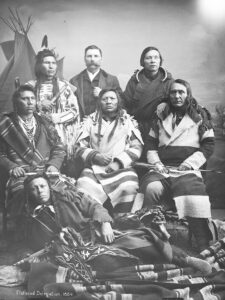
Source, U.S. National Archives and Records Administration, 1894.
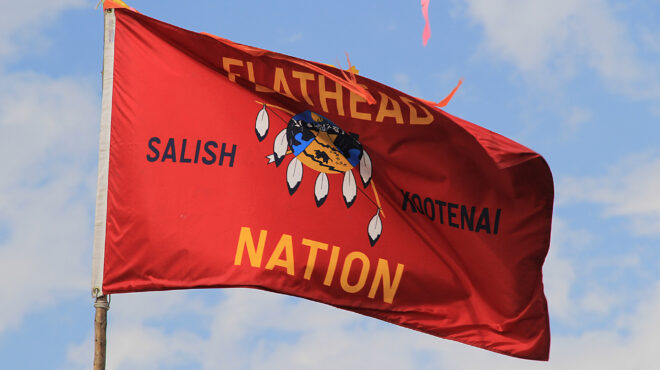
In western Montana, the Confederated Salish and Kootenai Tribes (CSKT) offer one example of how community knowledge can shape decisions about a place.
For generations, the Salish and Kootenai people have maintained a deep relationship with the land and wildlife of the region, including bison. Today, as CSKT manages the land and bison of the former National Bison Range, tribal resource managers consult with elders to maintain the cultural knowledge and connection that have shaped that relationship over generations.
The role of elders also points to a larger idea found across many, though not all, Indigenous communities: knowledge is carried from one generation to the next. Oral traditions, including stories, songs, ceremonies, and teachings, can preserve history, cultural values, and understandings of the natural world.
That raises an important question: Who holds knowledge about a place?
Expertise can come from professional training, research, and data. But knowledge also lives within communities. It comes from people who have experienced a place over time, who understand its history and relationships, and who have seen how decisions made years ago continue to shape life there today.
At Purpose Built Communities, that understanding drives our resident-centered approach to neighborhood transformation. Residents hold deep knowledge about their neighborhoods that cannot be replicated from the outside. Listening isn’t simply a step in the process. It can shape what the process becomes.
What Does It Mean to Care for a Place?
The CSKT story also offers another way to think about leadership: not simply as authority over a place, but as responsibility to it.
In 1908, the U.S. government took approximately 18,000 acres from the tribes to establish the National Bison Range in the heart of the Flathead Indian Reservation. For more than a century, the tribes worked to regain control of the land. In 2020, federal legislation began the process of returning it to them.
Today, CSKT’s stewardship is informed by the tribes’ cultural relationship with bison. Tom McDonald, a CSKT tribal member and Fish and Wildlife Division Manager, has explained that the tribes handle the bison with less stress and greater respect, including allowing family groups to remain together.
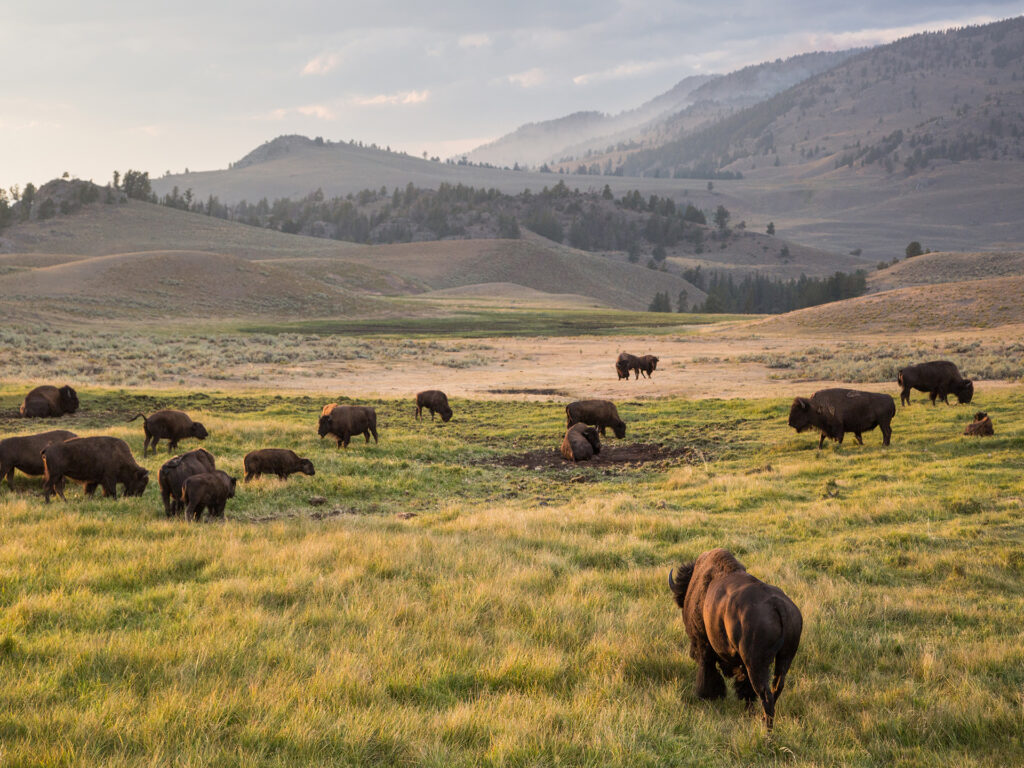
Here, stewardship is connected to land, wildlife, culture, history, and community. It invites a broader question about leadership: What does it mean to care for a place rather than simply manage it?
Leadership rooted in place depends on relationships and trust. It also asks who we are responsible to when making decisions about something of shared value.
What Will We Leave for the Next Generation?
Leadership can require looking in two directions at once: toward what we have inherited and toward what we will leave behind.
Peter Jemison, Faithkeeper of the Cattaraugus Reservation of the Seneca Nation, describes that responsibility as a connection between generations:
“Everything that we have now is the result of our ancestors who handed forth to us our language, the preservation of the land, our way of life, and the songs and dances. So now we will maintain those and carry those on for future generations.”
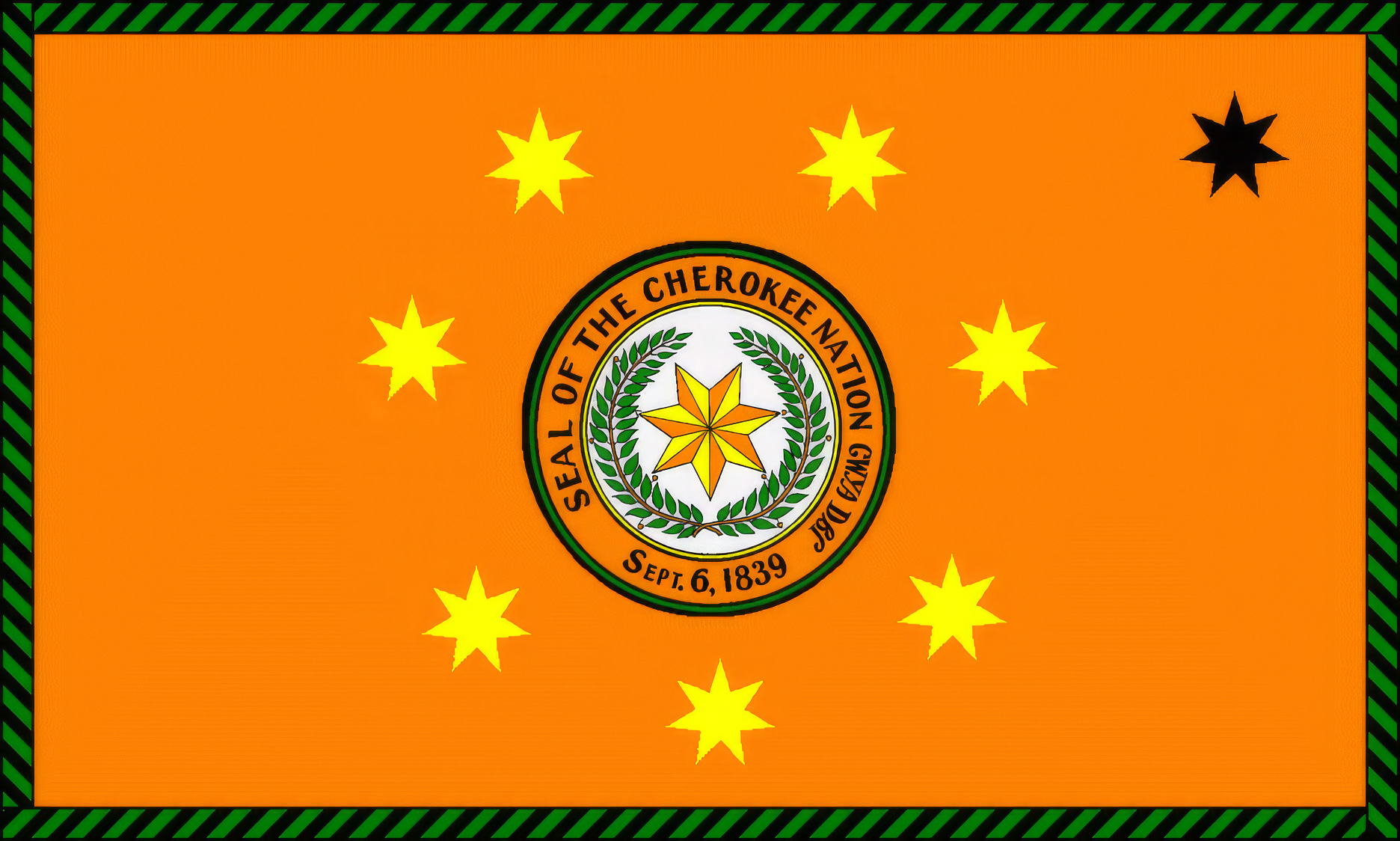
Wilma Mankiller, former Principal Chief of the Cherokee Nation, described a similar responsibility through our relationship with the land. For traditional Indigenous people who live close to the land, she explained, caring for it is not simply an intellectual concern but a responsibility. When Indigenous leaders speak about preserving land for future generations, she noted, “they’re not talking about just future generations of humans; they are talking literally about future generations of all living things.”
Source, Wikimedia Commons
Their words offer a way of thinking about leadership that extends beyond what can be accomplished during one person’s tenure. Leaders inherit places shaped by the people, decisions, relationships, and histories that came before them. What they choose to preserve, change, or invest in today becomes part of what someone else will inherit.
For neighborhood leaders: What changes when we measure success not only by what improves today, but by what we leave for people decades from now?
Creating lasting pathways to opportunity requires leaders to hold the past, present, and future together: understanding what came before, responding to what residents need today, and making decisions that expand what will be possible tomorrow.
No Community Is a Blank Canvas
Thinking about what we leave behind also requires understanding what was here before us.
The National Bison Range holds more than ecological significance. It carries the history of its seizure by the federal government, the tribes’ long effort to regain stewardship, and a cultural relationship with bison that has endured across generations.
Places hold history. They hold relationships, culture, memory, and meaning.
The same is true of neighborhoods. Long before a new development breaks ground or an organization begins its work, people have been building lives there. Families have formed relationships. Businesses and institutions have taken root. Decisions have created opportunities for some and barriers for others. Stories have accumulated about what a place has been and what people hope it can become.
No community is a blank canvas. Before asking what should come next, neighborhood leaders can first ask: What is already here? Who knows this place? What history does it hold? And what should be carried forward?
Listening to Place
The voices and experiences shared here come from distinct people, nations, and communities. They are not a single Indigenous approach to leadership, nor are they a set of principles for others to adopt.
But they can invite those of us working to strengthen neighborhoods to ask deeper questions about our own leadership: Whose knowledge are we listening to? What relationships are we responsible for? What will our decisions make possible for future generations? What history are we carrying forward?
At Purpose Built Communities, we believe lasting neighborhood transformation begins with the people who know and love their communities. Our role is to support local leaders as they listen to residents, build relationships, bring partners together, and pursue a shared vision over the long term.
Perhaps one way to recognize Indigenous Peoples’ Day is simply to keep listening—to the people who know a place, to the history it carries, and to the generations who will inherit what we build today.