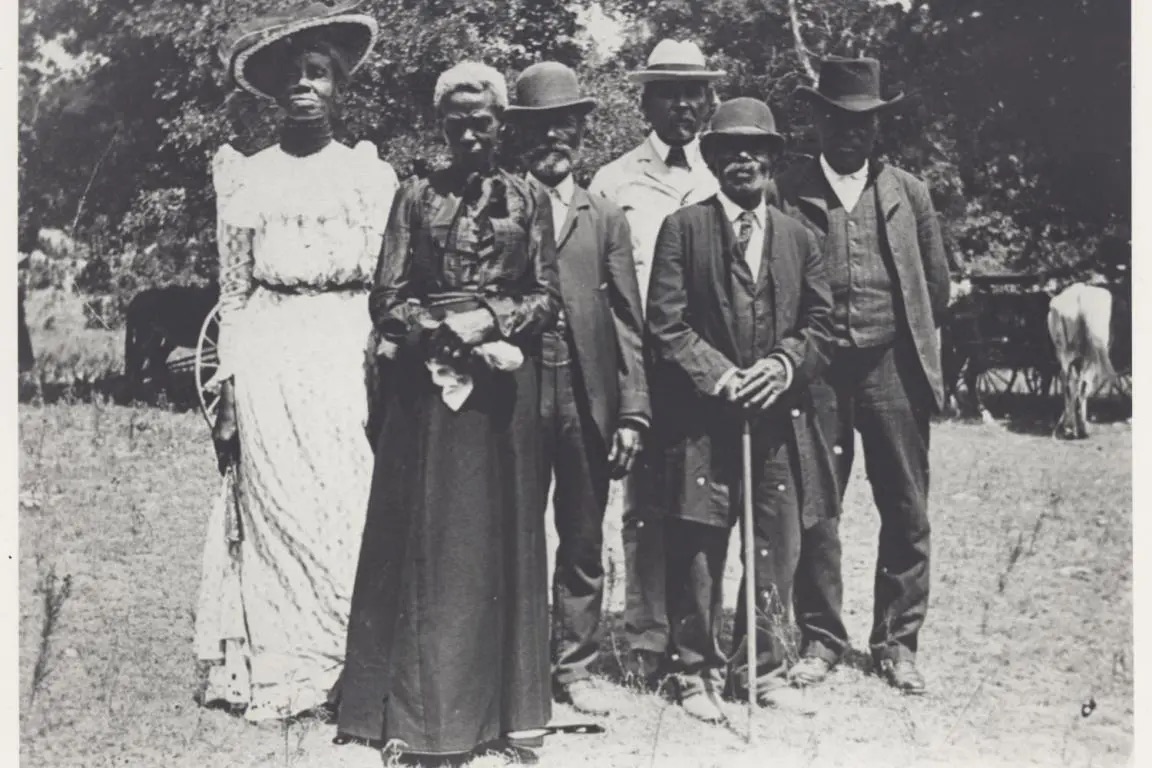
Originally called “Jubilee Day” by freedmen in Texas, Juneteenth became both a commemoration of freedom and a testament to faith, hope, and shared progress. Black Texans pooled resources to purchase land for Juneteenth celebrations, creating spaces where families could gather, celebrate, preserve their history, and strengthen community ties. From its earliest days, Juneteenth has highlighted the deep resilience of Black Americans and the importance of coming together to honor both history and the future.
Today, Juneteenth remains more than a historic milestone. It invites reflection on the enduring strength of Black communities, the progress made, and the work that continues across generations to create places where people can truly thrive.
Juneteenth reminds us that freedom is not only about legal liberation. It also invites us to consider what people and communities need to flourish. Across generations, communities have worked to create opportunities for their children, preserve their history, strengthen their neighborhoods, and build a future filled with possibility.
Communities Carrying the Legacy Forward
Across the country, residents, educators, organizers, faith leaders, and local changemakers have long carried forward the work of strengthening their communities — often in the face of historic barriers and disinvestment. Juneteenth is, in many ways, a reflection of that enduring legacy: communities creating opportunity, connection, and hope together.
In Texas, where Juneteenth began, Purpose Built Communities Network Members are carrying that legacy forward today.
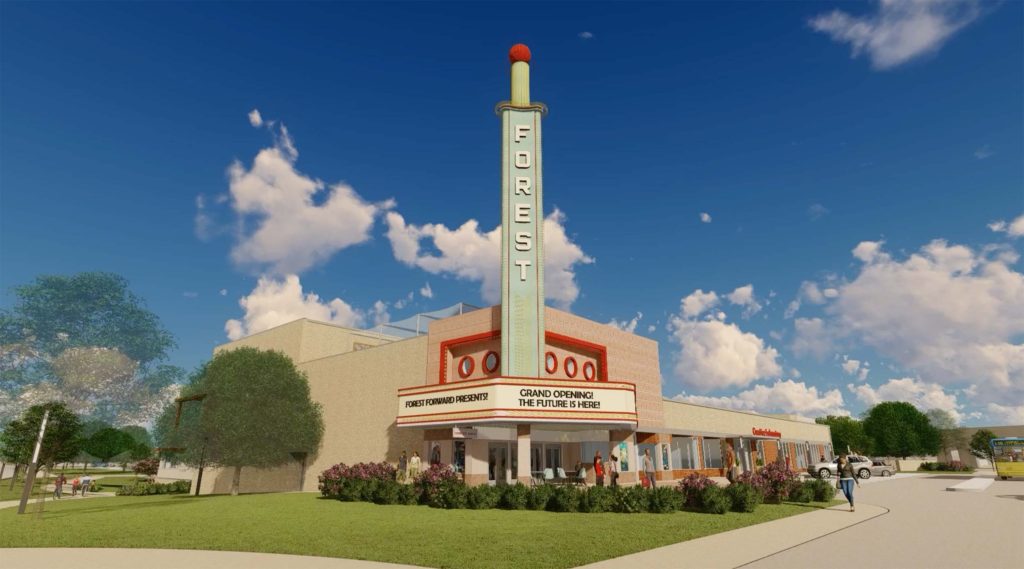
In South Dallas, Forest Forward is working alongside residents to strengthen pathways to opportunity by investing in neighborhood revitalization, arts and culture, economic vitality, and community well-being through the revitalization of the Historic Forest Theater. Constructed in 1949, the theater became a beacon of the neighborhood and “vital hub for African American audiences, hosting unforgettable performances by legends like Tina Turner, Gladys Knight, and B.B. King.” Forest Forward reflects a belief that transformation is not about erasing a neighborhood’s identity, but honoring its history while helping create a stronger future for the people who call it home.
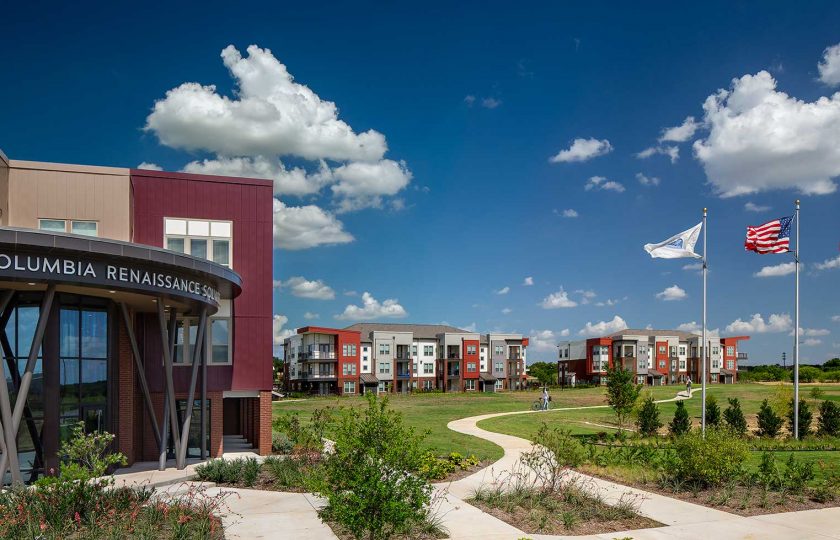
The “Grandmother of Juneteenth,” Dr. Opal Lee, grew up in Fort Worth and tirelessly advocated for Juneteenth to be recognized as a national holiday for more than 40 years. In Fort Worth, Renaissance Heights Foundation honors that enduring spirit by advancing resident-centered neighborhood transformation through community planning, infrastructure investment, housing initiatives, and local partnerships designed to create lasting opportunity. Their work reflects the importance of long-term collaboration in helping break down barriers that have limited economic mobility for generations.
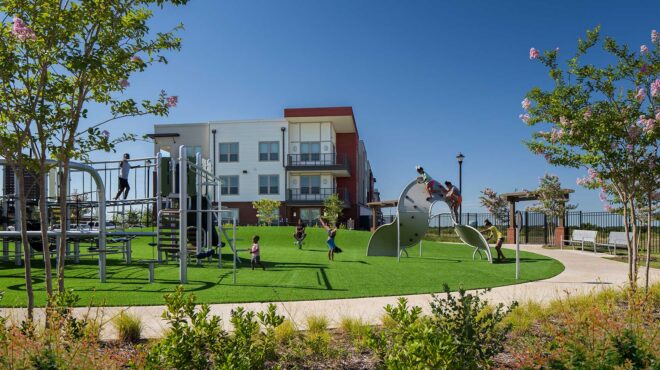
These efforts reflect something deeply connected to the spirit of Juneteenth: the belief that communities already hold within them strength, wisdom, and vision. When residents, local organizations, and partners work together over time, neighborhoods can become places where future generations can thrive.
Continuing the Work
For Purpose Built Communities®, Juneteenth is a time to honor the generations of people who fought for freedom, built community, and carried hope forward. It is also a reminder that strong neighborhoods are shaped by the vision, leadership, and commitment of residents working together to create brighter futures for generations to come.